

Lawn Care: Tips & Guides
How to Know When Your Lawn Needs Overseeding
By Trimming Edge
A patchy, tired-looking lawn can be frustrating, especially after putting in real effort to keep it green and healthy. Before reaching fora quick fix, it helps to understand what the lawn is actually telling you. In many cases, the answer is overseeding.
This lawn overseeding guide walks through the key warning signs that point to overseeding as the solution, explains the process step by step, and covers what homeowners across the US can realistically expect from the results.
What Is Overseeding and Why Does It Matter?
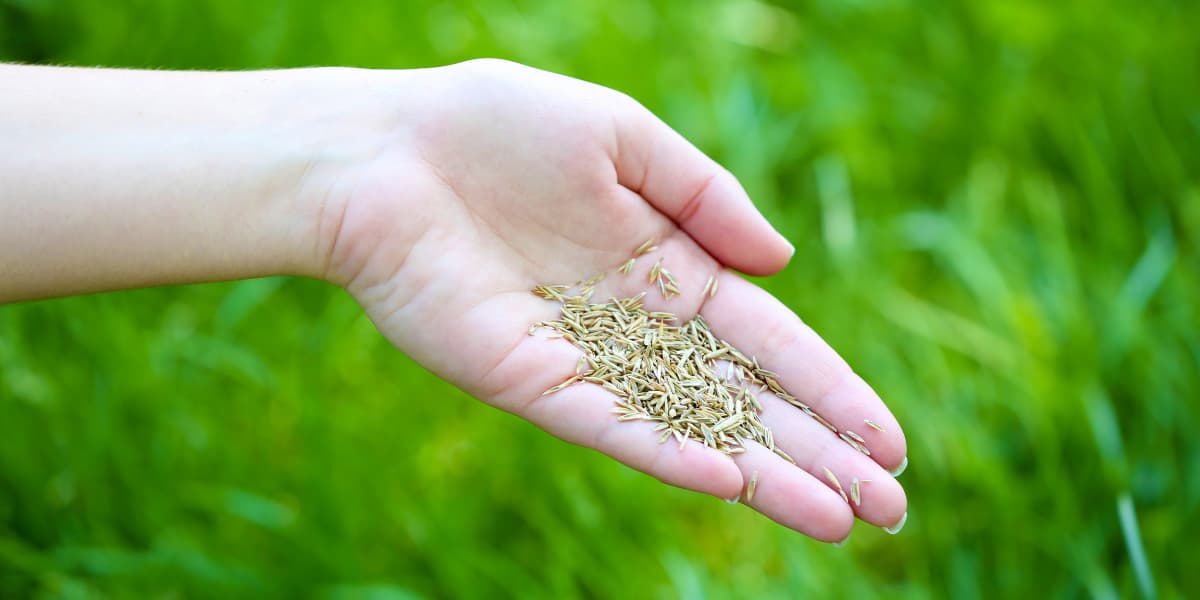
Overseeding involves applying fresh grass seed directly onto an already established lawn without the need to remove the existing grass. It sounds simple, but timing, preparation, and seed selection make all the difference between a lush recovery and wasted effort.
Grass plants, just like any living thing, age over time. They lose their vigor, thin out, and eventually stop filling in gaps the way they used to. Environmental stress, heavy foot traffic, drought, and pest damage all speed up that decline. Overseeding introduces fresh, younger plants that fillin bare areas, improve density, and can even bring in improved grass varieties that are more resistant to disease or drought.
Getting to grips with how overseeding works comes down to one core principle: the new seed needs to make direct contact with the soil, not just sit on top of a thick thatch layer. That is exactly why preparation plays such a big role in the process, but more on that shortly.
Signs Your LawnIs Telling You It Needs Overseeding
· Thin or Bare Patches Are Spreading
One of the clearest indicators is visible thinning. If barespots are appearing and not recovering on their own after watering and basic care, the grass population has dropped too low to self-repair. Thin lawn repair through overseedingis one of the most effective and least disruptive ways to bring those areas back without a full renovation.
· The Lawn Looks Dull and Washed Out
A lawn that used to have a rich green color but now looks faded or straw-like, even during the growing season, is struggling. This can point to aging turf that simply does not have the density or vitality it once had.
· Moss and Weeds Are Moving In
When grass thins out, nature fills the void fast. Weeds and moss take over bare or weak spots because there is no competition to crowd them out. If it feels like the weed battle is getting harder every season despite consistent lawn care, overseeding can help tip the balance back in favor of grass by increasing density and reducing open ground.
· Foot Traffic Has Compacted and Worn the Grass Down
High-traffic areas like paths between the patio and the garden, or spots where kids and pets run regularly, take a beating. Grass in these zones wears thin from both physical damage and soil compaction. Overseeding these spots, ideally paired with some aeration, can help rebuild what heavy use has worn away.
· The Lawn Has Not Been Overseeded in Several Years
Even a lawn that looks reasonably okay can benefit from routine overseeding every few years. Grass stands naturally thin with age, and refreshing the seed bank keeps the lawn competitive and dense before visible decline sets in.
When to Overseed: Timing Is Everything
Knowing when to overseed a lawn is just as important as knowing that it needs to be done. Theanswer depends on the type of grass in the yard. According to Lawn Starter, cool-season grasses like Kentucky bluegrass, tall fescue, and perennial ryegrass do best when overseeded in late summer to early fall, typically from late August through September.The soil remains warm enough to allow for germination, while the cooler air temperatures help ease stress on young seedlings and decrease competition from weeds.
Warm-season grasses like Bermuda, Zoysia, and St. Augustine prefer late spring to early summer overseeding, once soil temperatures have consistently warmed up. Some homeowners in warmer climates also overseed warm-season lawns with ryegrass in the fall to keep the yard green through winter, though that is a temporary cosmetic fix rather than a long-term solution.
Avoid overseeding during peak summer heat or in the middle of winter dormancy. New seedlings are fragile and cannot handle temperature extremes well.
How the Overseeding Process Actually Works
· Step 1: Mow Short and Clean Up
Before seeding, mow the existing lawn shorter than usual,around 1.5 to 2 inches, and bag the clippings. This reduces competition andgives the new seed better access to light and soil once it is spread.
· Step 2: Aerate the Soil
Aeration is not always required, but it makes a significant difference, especially on compacted or clay-heavy soils. A core aerator removes tiny cylinders of soil from the ground, creating openings that allow seeds, water, and air to penetrate deeper into the root zone. For lawn overseeding to be truly effective, the seed needs to land on or near exposed soil rather than sitting on top of dense thatch.
· Step 3: Choose the Right Seed
Selecting a seed that matches the existing grass type and the local climate is critical. Using a high-quality seed with a strong germination rate reduces the chances of poor results. If the goal is also to upgrade the lawn's drought resistance or disease tolerance, this is a good opportunity to introduce improved varieties.
· Step 4: Spread the Seed Evenly
A broadcast spreader or slit seeder gives the most even distribution. A slit seeder, which cuts small grooves in the soil and drops seed directly into them, tends to produce better germination rates because ofthe direct soil contact it creates.
Keep Reading
More from the Blog
Lawn Care: Tips & Guides
Lawn Edging vs. Lawn Trimming: What’s the Difference?
August 6, 2026
Read More